Air conditioning systems are engineered to deliver consistent cooling, but performance declines as components age and operating conditions change. For homeowners, understanding the causes behind this loss of efficiency is essential to avoid premature system failure. Identifying early warning signs allows for timely maintenance and prevents more complex repairs.
Gradual Wear of Internal Components
Every AC system relies on mechanical and electrical parts working in coordination. Over time, critical components experience wear, reducing their ability to operate at peak performance. As a result, the system must run longer cycles to achieve the same temperature, increasing energy consumption.
Additionally, internal friction and minor mechanical degradation can lead to subtle performance drops before any visible failure occurs. These changes often go unnoticed until efficiency has significantly declined.
Restricted Airflow and Heat Exchange Issues
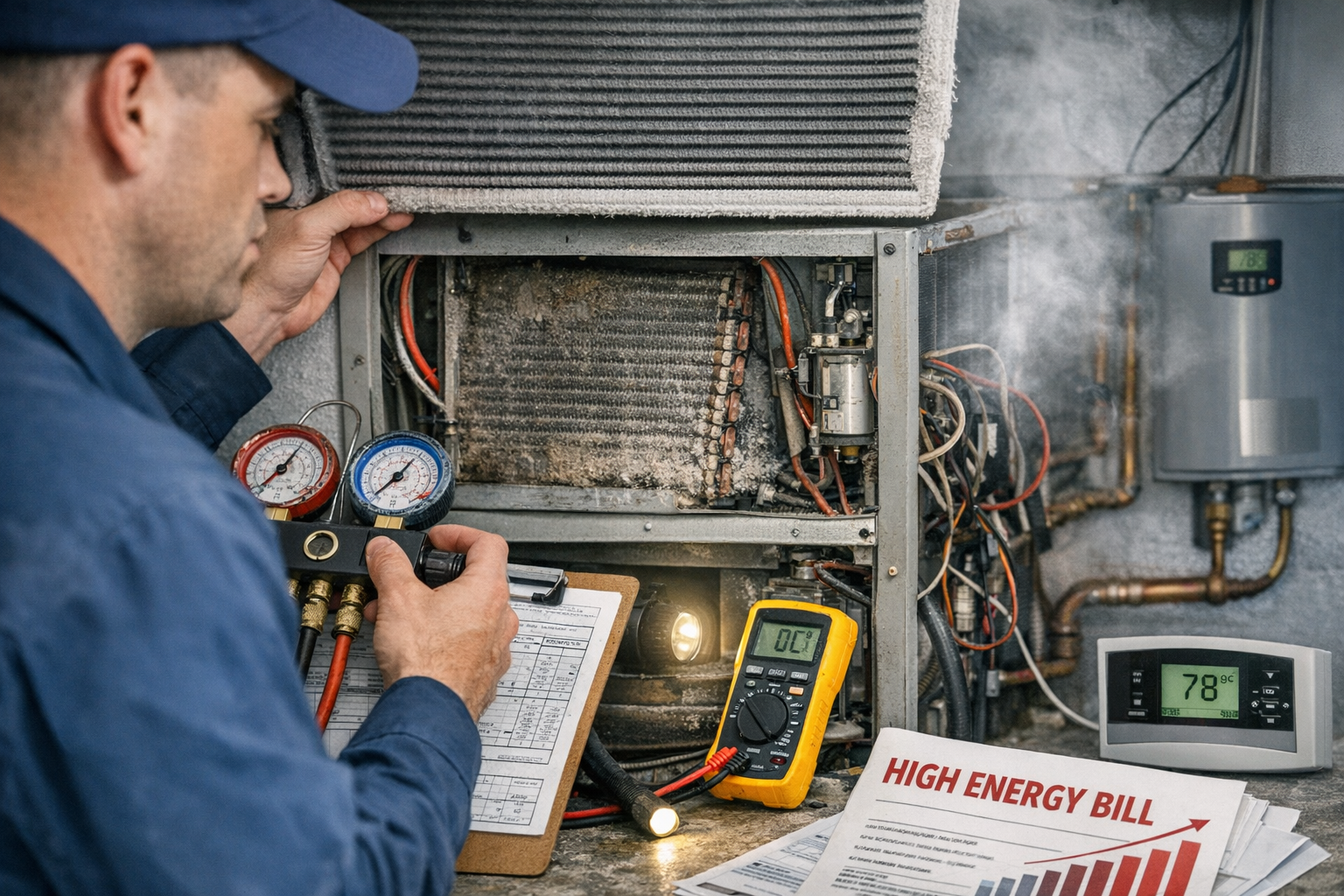
Airflow is a fundamental factor in HVAC efficiency. When it becomes restricted, the system struggles to distribute conditioned air evenly. This often develops from neglected filters or buildup within the system that interferes with proper heat exchange.
When heat is not removed efficiently from indoor air, the system retains excess thermal load and is forced to work harder. This added strain increases operating time and utility costs while reducing overall cooling performance.
Refrigerant Imbalances and System Strain
The refrigerant cycle is central to cooling performance. If refrigerant levels drop due to leaks or improper charging, the system cannot absorb and release heat efficiently. Low refrigerant levels often lead to longer run times, inadequate cooling, and increased stress on internal components.
An overcharged system can also create inefficiencies by increasing internal pressure. In both cases, the imbalance places strain on the system and accelerates wear.
Electrical Inefficiencies and Control Issues
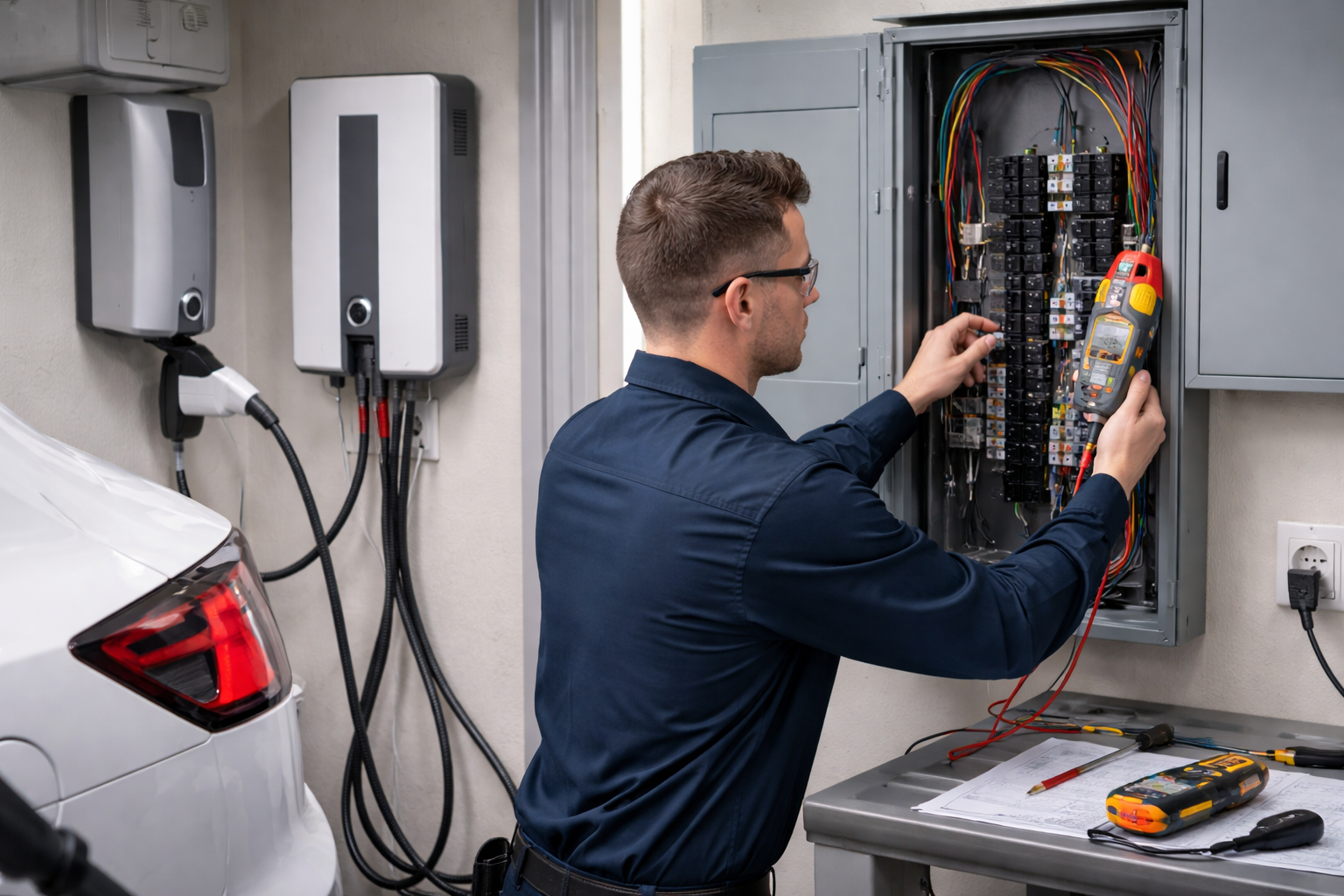
Electrical components play a critical role in system operation. Small issues within the system can reduce reliability and efficiency, especially when connections begin to loosen or components start to degrade.
These irregularities may result in inconsistent performance or difficulty maintaining stable operation. Thermostat inaccuracies can also contribute, causing the system to run longer than necessary or fail to maintain consistent temperatures.
Early Warning Signs to Watch For
Detecting efficiency loss early can prevent costly repairs. Key indicators include uneven cooling or a noticeable increase in energy usage.
Unusual noises or excess humidity indoors may also signal that the system is no longer operating within optimal parameters and requires professional inspection.
Preventive Maintenance as a Long-Term Solution
Routine HVAC maintenance is the most effective way to maintain efficiency over time. Scheduled inspections allow technicians to identify developing issues and ensure proper operation.
Addressing minor problems early reduces system strain and helps maintain stable performance. In many cases, consistent maintenance extends the lifespan of the unit and delays the need for replacement.